
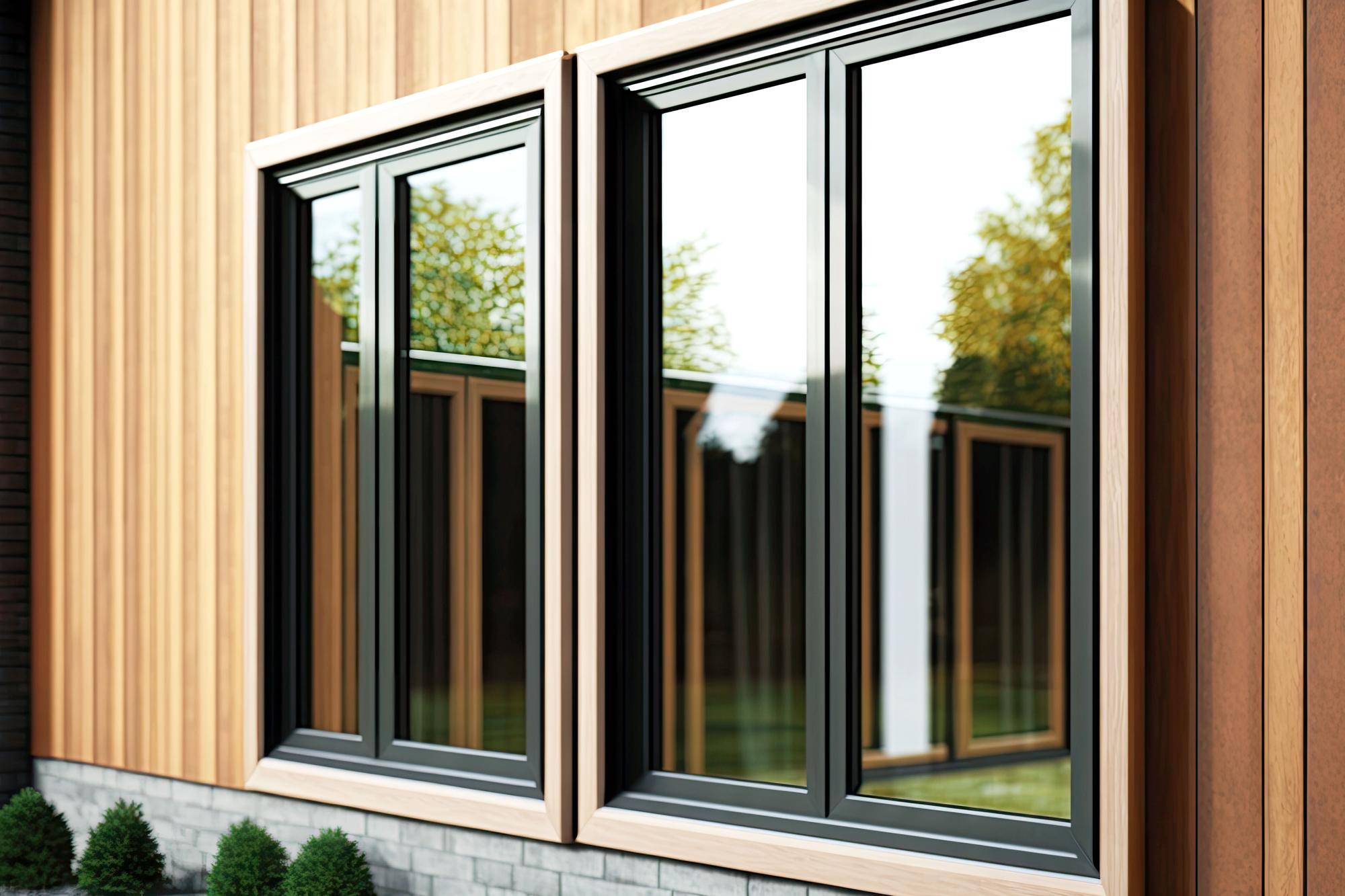
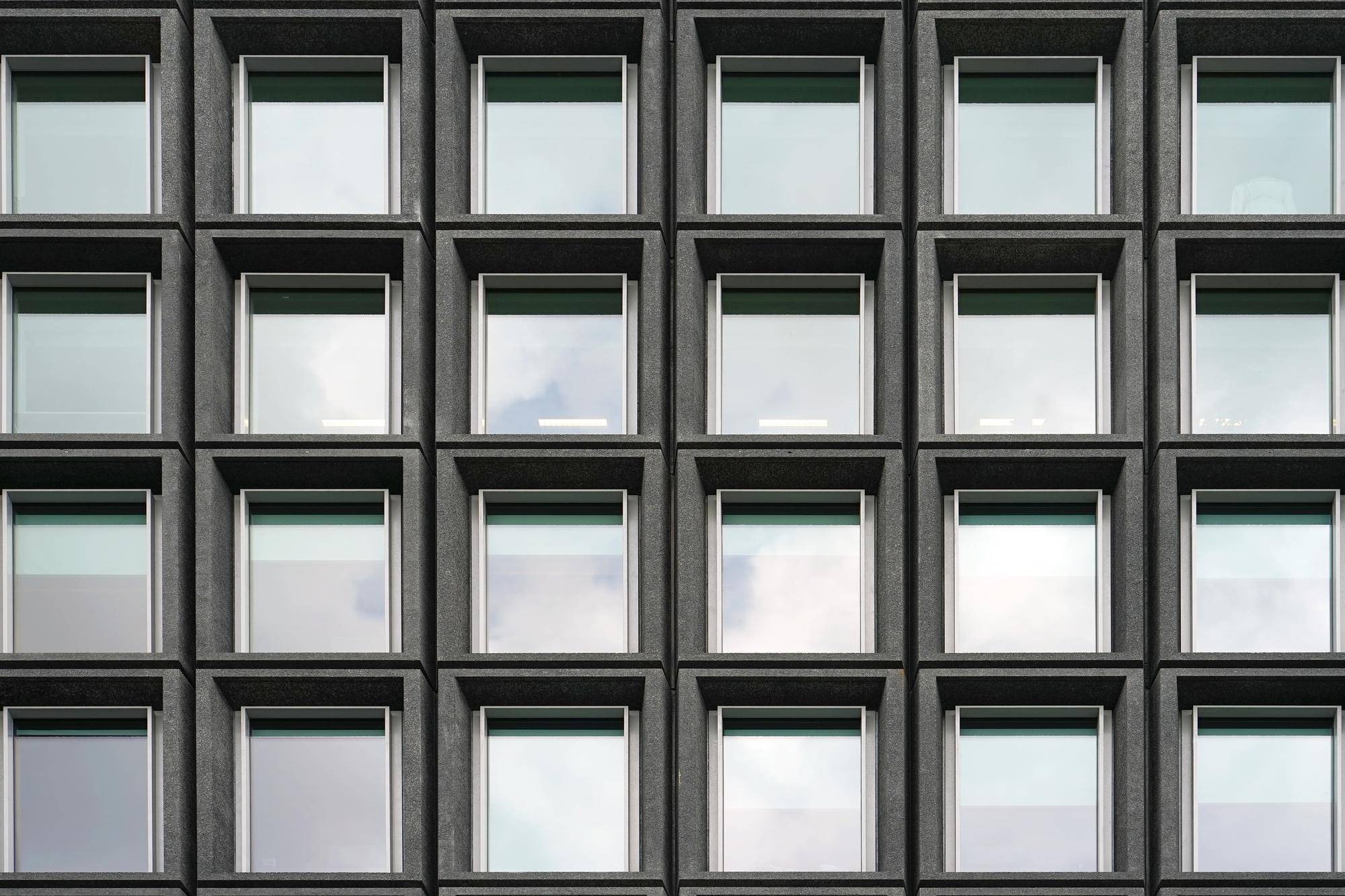
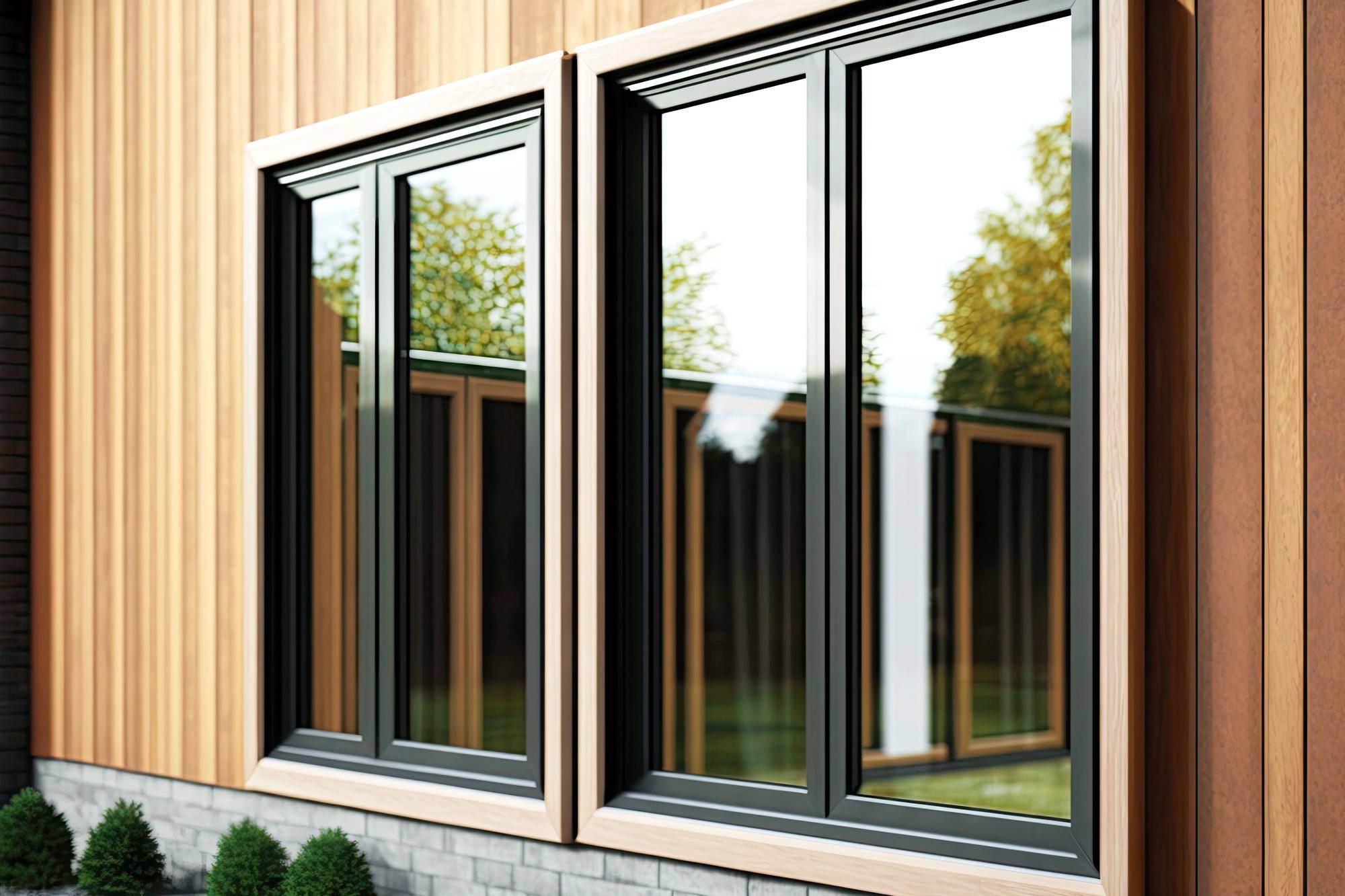
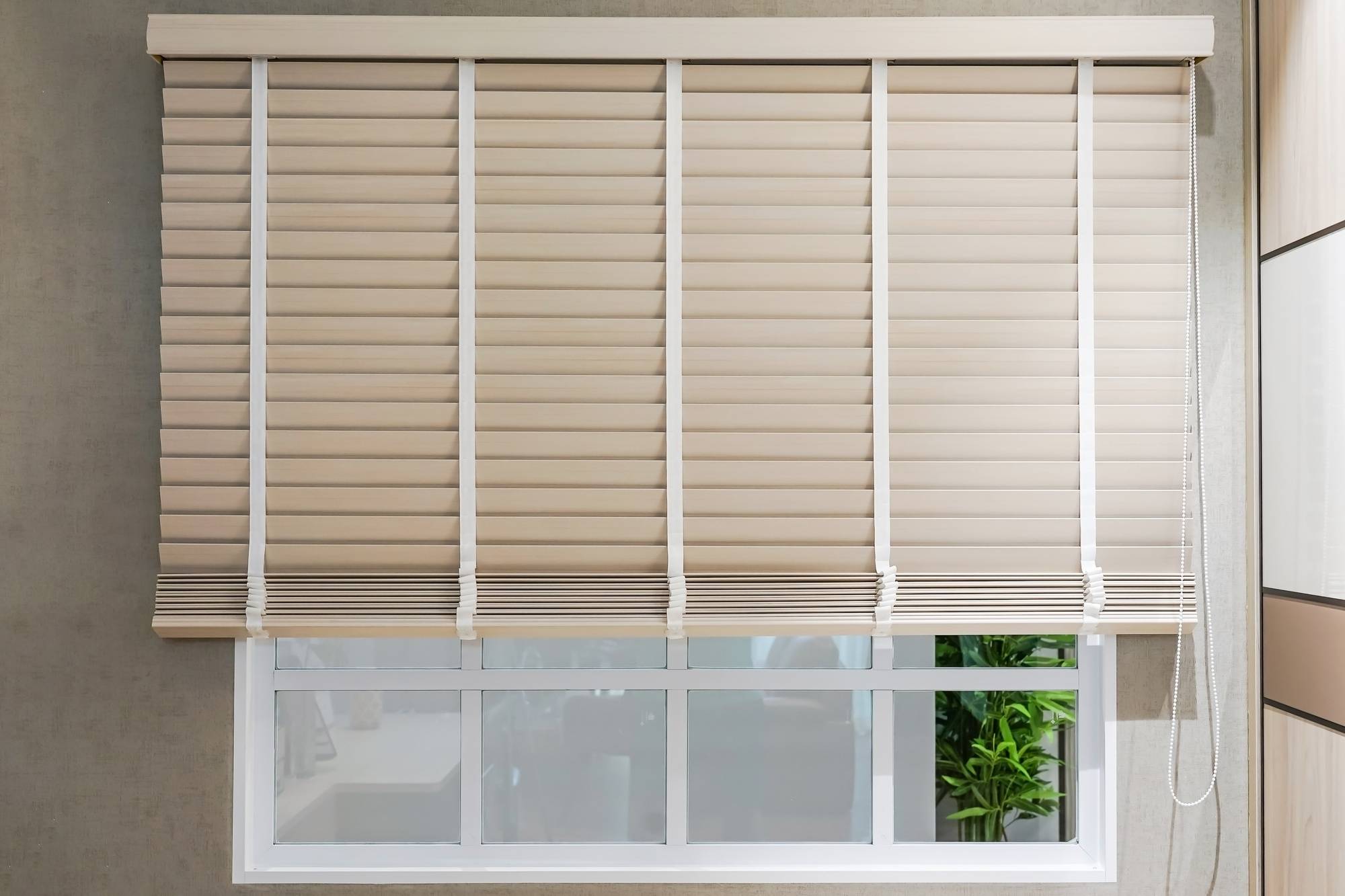
Windows are architectural features that play a multifaceted role in the design, functionality, and energy efficiency of both residential and commercial spaces. From a design perspective, windows are the eyes of a building, contributing significantly to its aesthetic appeal. The style, size, and placement of windows can define the character of a structure, whether it be the timeless elegance of traditional double-hung windows or the modern, expansive views afforded by floor-to-ceiling designs. The choice of window frames, materials, and finishes further adds a layer of customization, allowing for seamless integration into the overall design scheme.
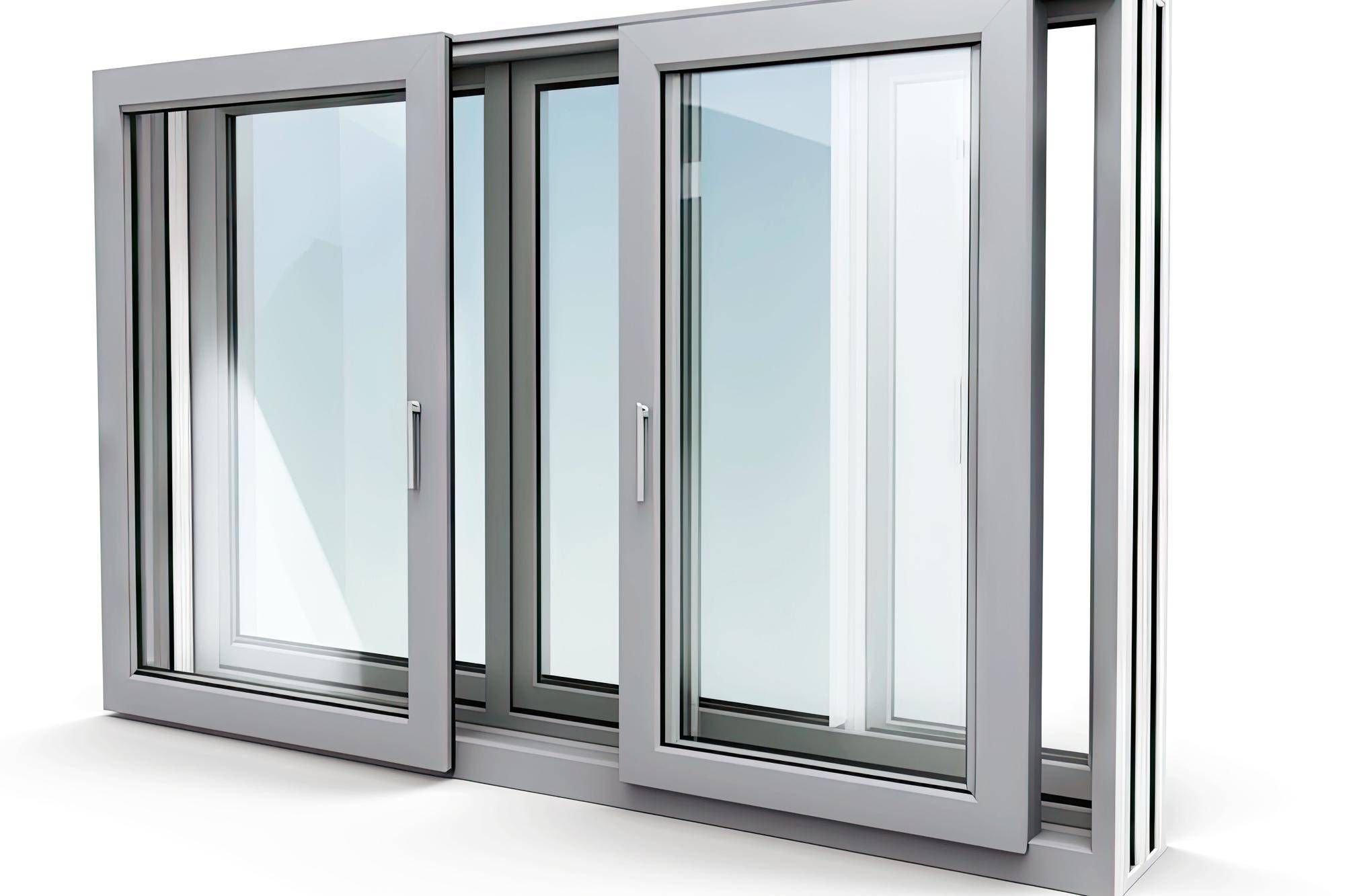
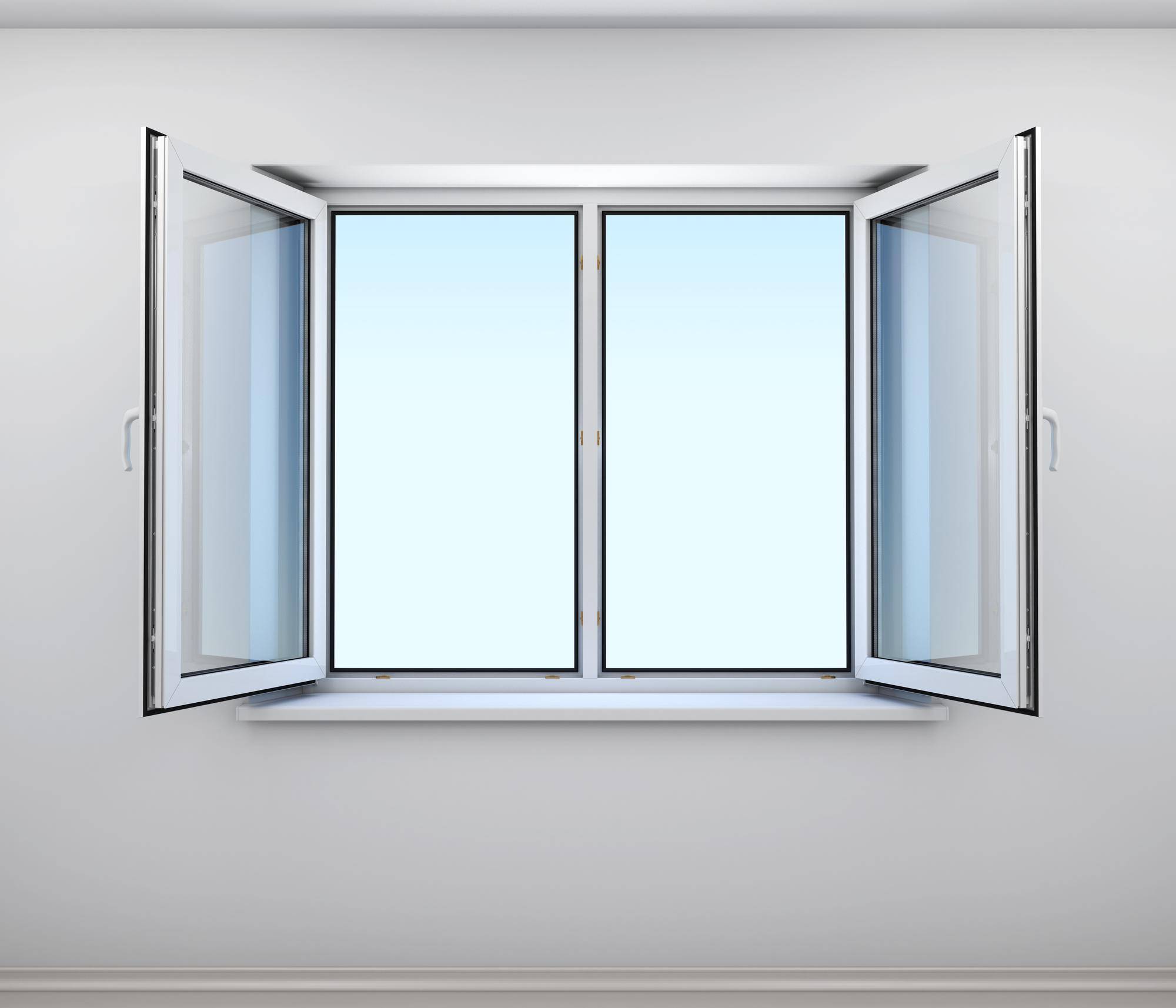
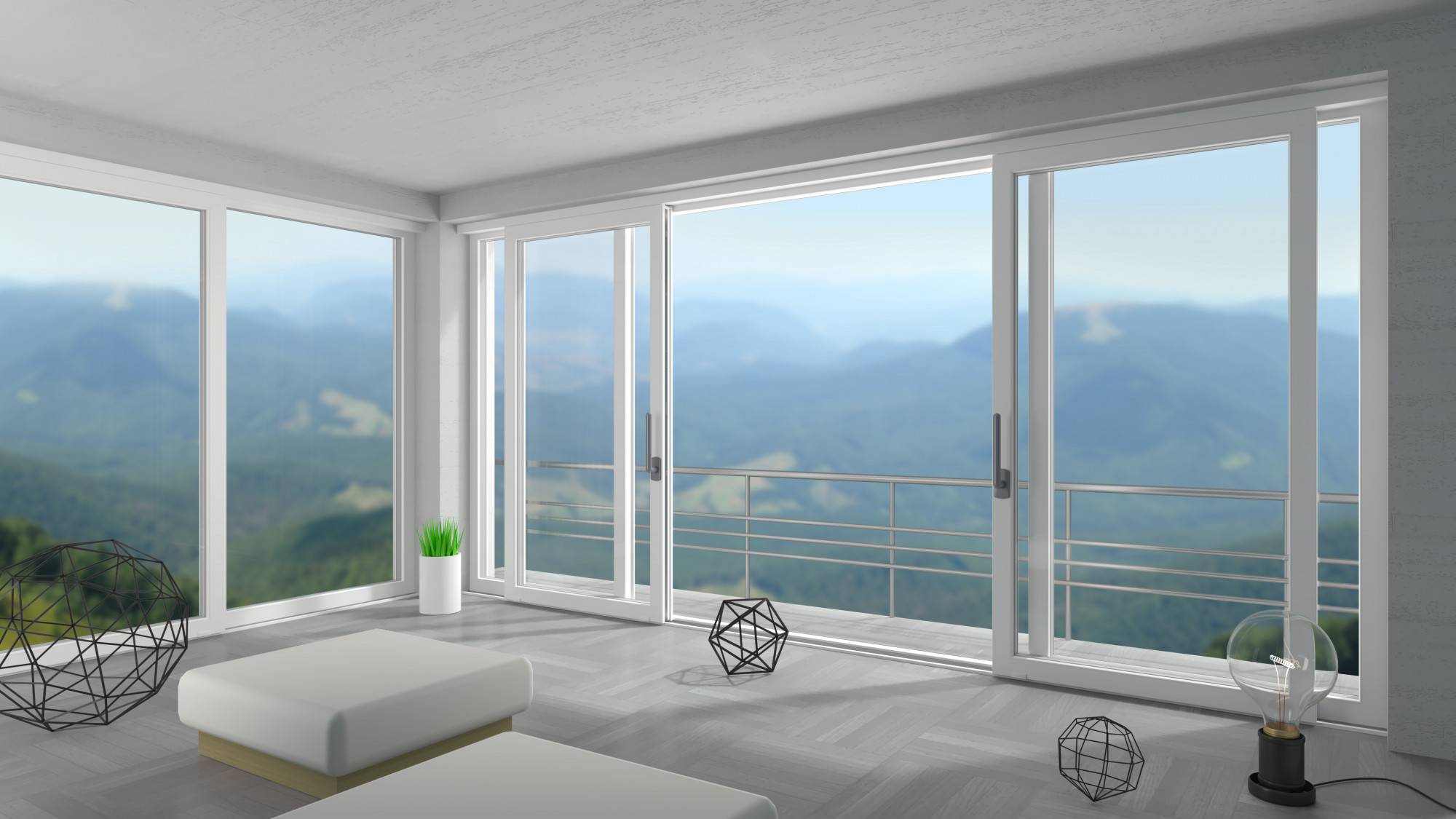
Functionality is a key consideration in window selection. Different types of windows serve distinct purposes: casement windows pivot open on hinges, providing excellent ventilation; sliding windows offer ease of use and contemporary aesthetics; and fixed windows contribute to design consistency while allowing ample natural light. Additionally, energy-efficient windows, such as double-glazed or Low-E glass options, help regulate indoor temperatures, reduce energy costs, and contribute to sustainability.
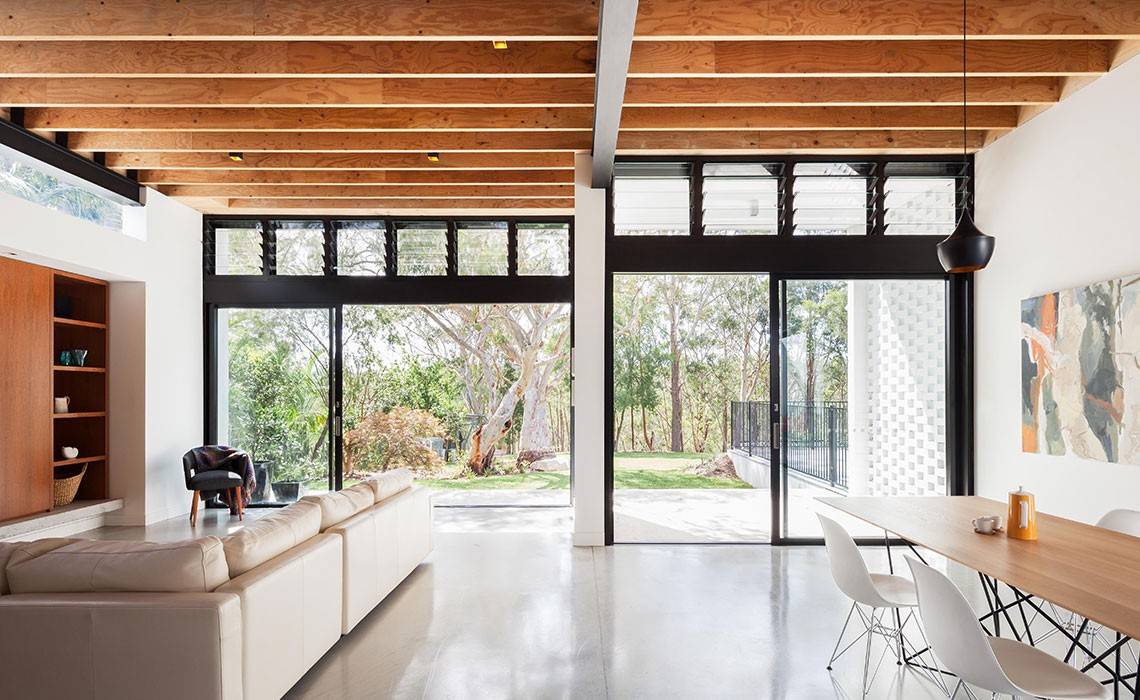
Ventilation and the connection to the outdoors are paramount aspects of windows. Properly placed and designed, windows allow for the entry of fresh air and natural light, creating a healthier and more comfortable indoor environment. Well-designed windows can also maximize views, fostering a sense of connection to the surrounding landscape.
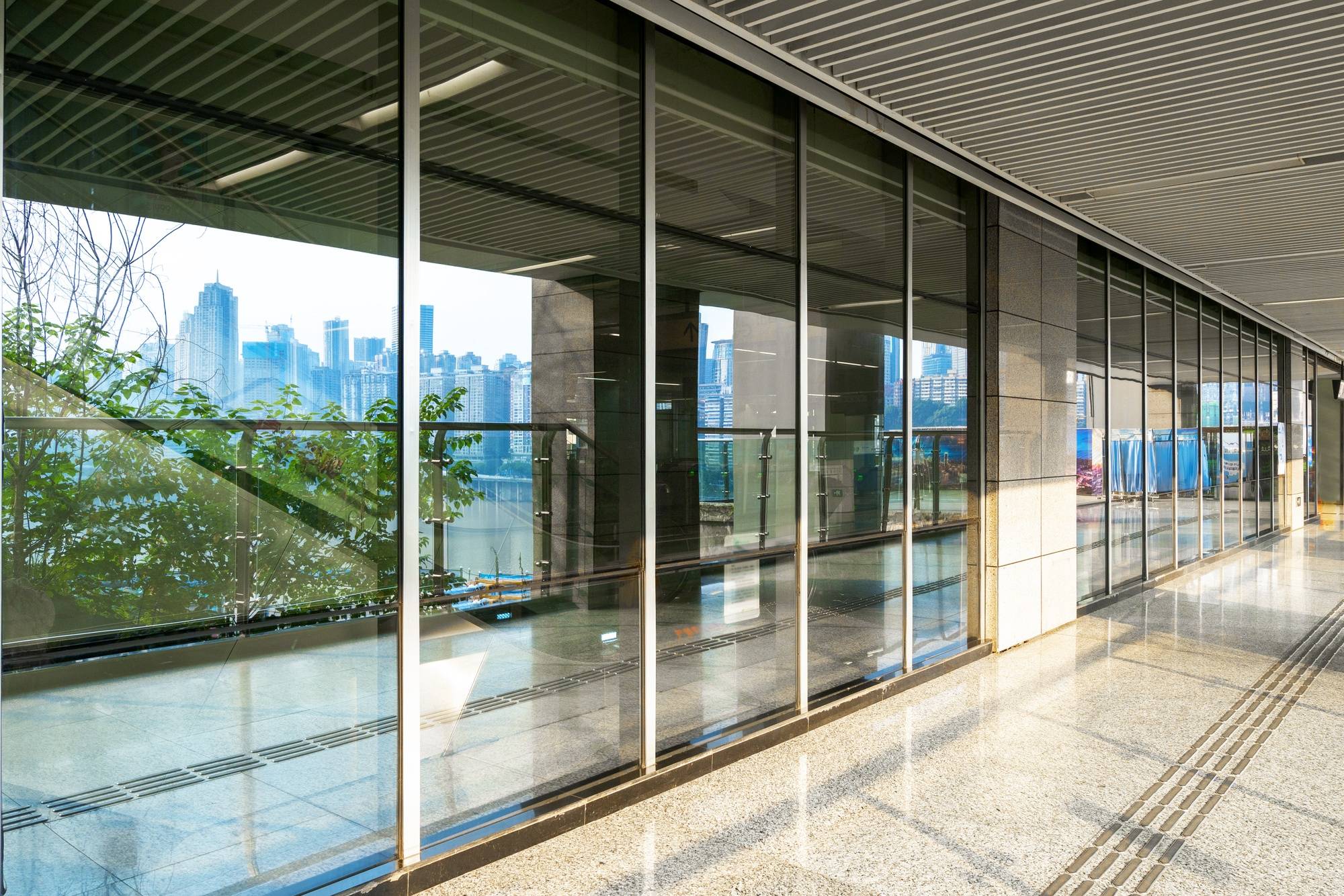
In commercial spaces, windows often serve dual roles as functional elements and branding opportunities. Large, strategically placed windows can enhance visibility, attract customers, and create an inviting atmosphere. They also contribute to the overall energy efficiency of the building, a critical consideration for sustainable and cost-effective operation.
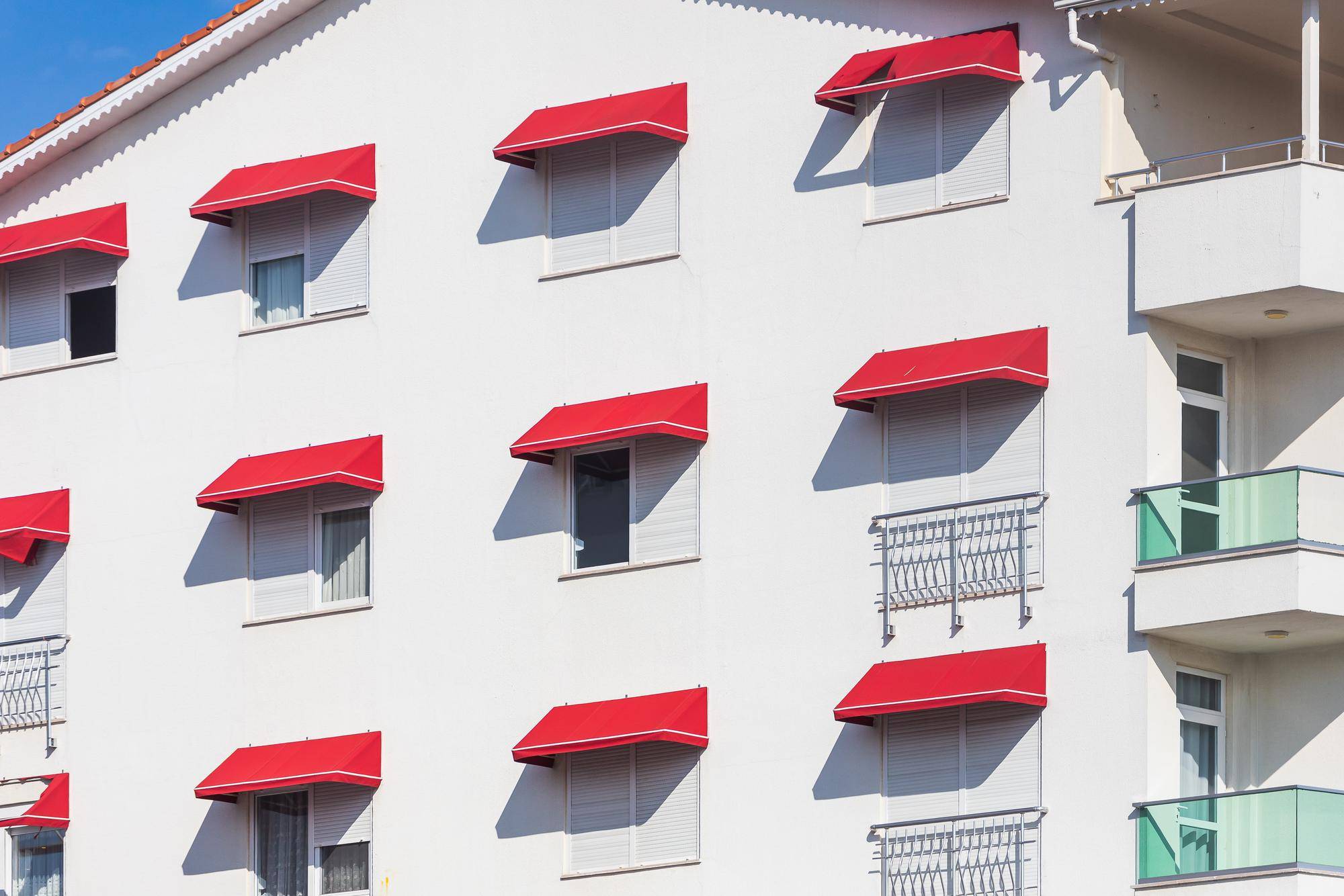
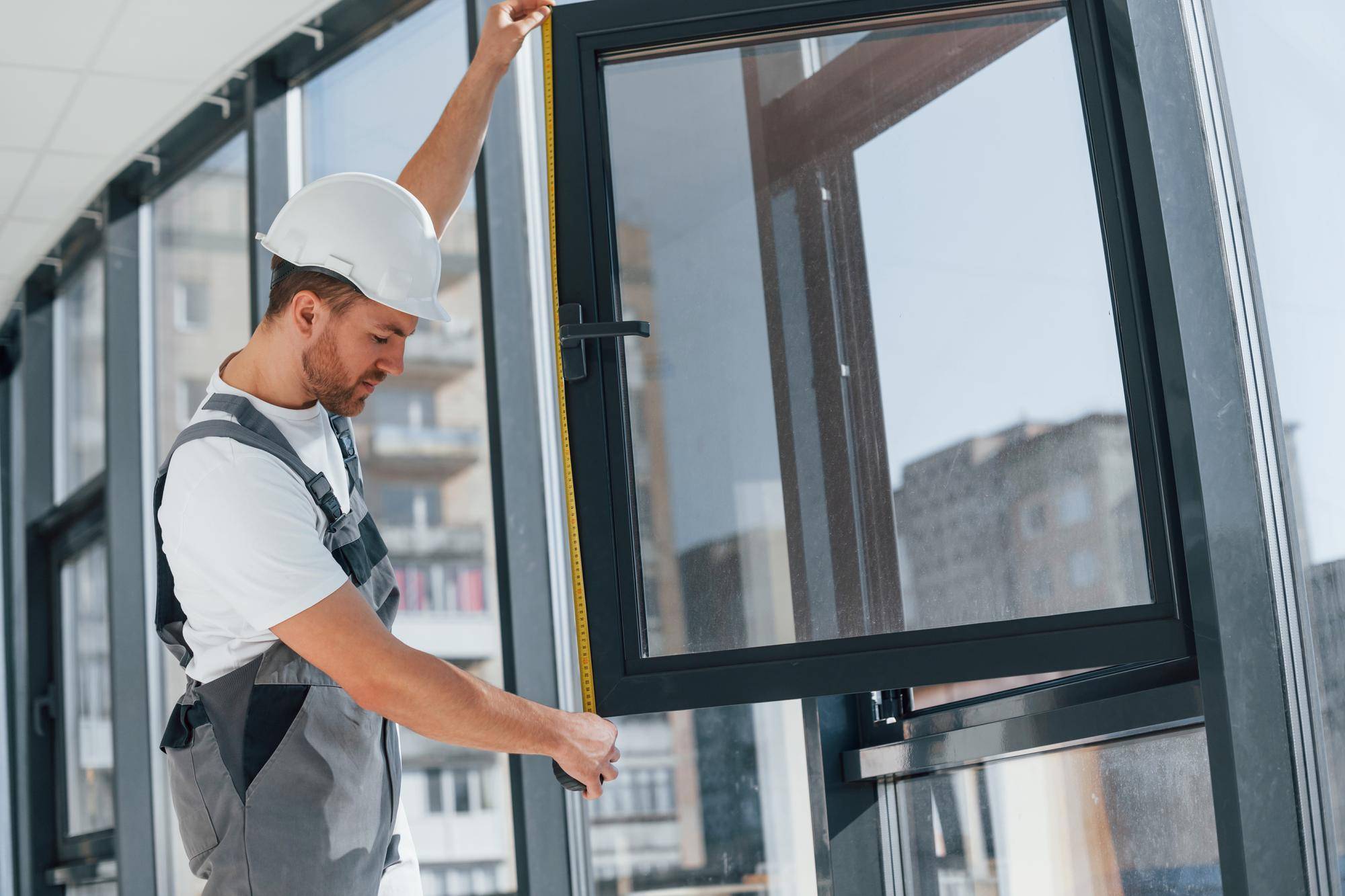
Regular maintenance and occasional upgrades are essential to ensure the longevity and performance of windows. Weatherstripping, proper sealing, and periodic checks for any signs of wear or damage contribute to the overall efficiency and durability of windows.
In summary, windows are architectural features that seamlessly blend form and function. Their design, placement, and functionality impact the aesthetics, comfort, and energy efficiency of a space, making them a critical element in both residential and commercial construction and renovation projects.